

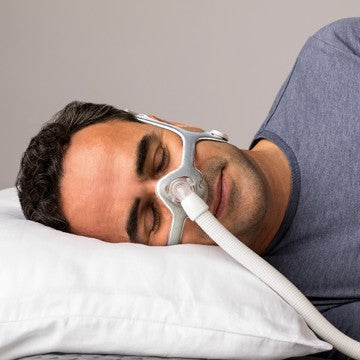
A side-by-side comparison of Canada's two most popular CPAP machines. Learn how the Resmed AirSense 11 compares to the Philips Respironics DreamStation 2 in comfort, design, and features.
If you’ve been diagnosed with sleep apnea, your doctor has likely recommended a CPAP machine to help you breathe better at night. Two of the most trusted CPAP brands in Canada are Resmed and Philips Respironics - but which one is right for you?
In this post, we’ll provide a detailed comparison to help you find the best fit for your sleep apnea treatment.
Overview of the Brands and Products
Resmed AirSense 11

Resmed is a global leader in sleep therapy solutions, and their CPAP devices are widely used across Canada for their reliability and innovation. The most popular model, the AirSense 11 AutoSet, is known for its sleek design, user-friendly interface, and advanced comfort features like AutoSet pressure algorithm and a built-in heated humidifier. Its intuitive touchscreen interface and quiet operation makes it one of the most user-friendly and effective devices for managing sleep apnea on the market today.
Philips Respironics DreamStation 2

The DreamStation 2 Auto Advanced CPAP by Philips Respironics is another top-tier CPAP device that offers a lightweight, modern design and intuitive display. It provides powerful data tracking, connectivity options, and a range of pressure settings. The DreamStation 2 Auto CPAP is especially popular among Canadian users who value tech-forward features.
Side by Side Comparison
| Feature | AirSense 11 AutoSet | DreamStation 2 Auto Advance |
| Pressure Algorithm |
CPAP and AutoSet modes with advanced auto-adjusting algorithm; includes “for Her” mode for gentler therapy |
Auto-CPAP & CPAP modes; includes Ramp Plus comfort settings and Flex pressure relief |
| Humidification |
Integrated HumidAir with optional ClimateLineAir heated tubing |
Integrated heated humidifier with optional heated tubing |
| Display & Interface |
Full-colour touchscreen with user-friendly layout |
Colour touch screen to access sleep menus and comfort settings |
| Modem/Wireless Connectivity |
Built-in Bluetooth and cellular modem; syncs with Philips Respironics DreamMapper app |
|
| Ramp Features |
AutoRamp feature gently increases pressure once you fall asleep |
Ramp Plus lets you set custom start pressure and duration; auto-adjusts if apnea events occur |
| Dimensions |
10.21" L x 3.72 W" x 5.45" H (with tub) |
10.11" L x 6.24" W x 3.34" H |
| Ease of Use |
Extremely beginner-friendly with on-screen guidance and ResMed myAir coaching |
Simple to operate, though setup can take slightly longer |
| Typical Price |
Higher |
Mid-Range |
Pros and Cons
AirSense 11
Pros:
- Automatically adjusts pressure to meet individual needs, enhancing therapy effectiveness
Built-in humidifier reduces dryness and enhances comfort throughout the night
Easy-to-use colour touchscreen simplifies navigation and settings adjustments
Allows users to track therapy progress and receive support through the ResMed myAir app
Cons:
- Priced higher compared to older models, which might be a consideration for those who are more budget-conscious
- Requires Wi-Fi connection for complete features of the ResMed myAir app
DreamStation 2
Pros:
- Smaller and lighter than its predecessor, making it travel-friendly
- Ramp Plus feature improves comfort for new users
- Built-in humidifier with easy-to-fill chamber
- Intuitive controls and display simplify operation and settings adjustments
Data tracking, coaching and support via the Philips DreamMapper app
Cons:
- Some users may prefer traditional controls over touchscreen
Which One Should You Choose?
Choose the AirSense 11 if:
- You prefer an intuitive touchscreen with guided setup and advanced coaching features via the myAir app
- You value detailed therapy data and flexible therapy modes, including AutoSet for Her
Choose the DreamStation 2 if:
- You want a modern design with a touchscreen interface
- You prioritize travel-readiness and comfort settings
- You’re looking for a slightly more affordable solution with strong mobile support
Final Thoughts
Both machines offer excellent therapy for sleep apnea and are supported by most Canadian sleep providers. Your decision should be based on comfort, data tracking preferences, budget, and how much remote coaching support you want.
If you're unsure which model fits your needs, consult with your sleep therapist or contact us for more information or view our Best-Selling CPAP Machines.
AirSense 11 vs DreamStation 2 Frequently Asked Questions
Which machine is easier to use daily?
The AirSense 11 is extremely beginner-friendly with its guided touchscreen setup and myAir app coaching. The DreamStation 2 is simple to operate but may require a bit more time to get used to its settings.
How do the comfort features compare between the two machines?
Both have integrated heated humidifiers and optional heated tubing. AirSense 11 offers AutoRamp and ClimateLineAir, while DreamStation 2 provides Ramp Plus and Flex pressure relief to help users fall asleep more comfortably.
Which CPAP is better for traveling?
The DreamStation 2 is slightly smaller and lighter, making it more travel-friendly. The AirSense 11 is portable, has a larger footprint, but a removable water tank, though both can be used with travel power options.
Do both machines allow tracking of sleep therapy?
Yes. The AirSense 11 connects to the ResMed myAir app for remote monitoring and coaching, while the DreamStation 2 connects to the DreamMapper app to track therapy data and provide feedback.
Is there a significant difference in cost?
Yes. The AirSense 11 is generally more expensive due to advanced features and app-based coaching, while the DreamStation 2 is mid-range, offering strong features at a slightly lower price.


