

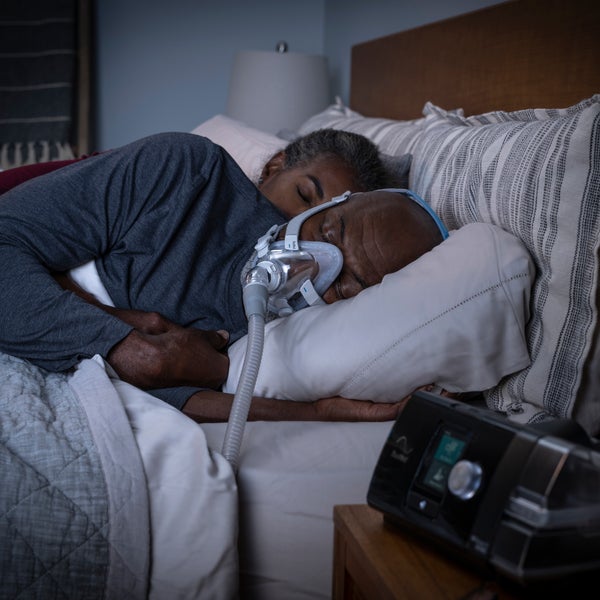
You may already know that there are three core forms of PAP therapy - CPAP, BiPAP and APAP. All of these are known for effectively treating various breathing-related disorders. However, one of the most asked questions by users of PAP therapy is: What’s the difference between BiPAP vs CPAP vs APAP therapy?
BiPAP and CPAP therapy are two of the most well-known Sleep Apnea solutions. Yet, many individuals who are new to the world of PAP treatment aren’t aware of the subtle differences and similarities between these two therapy options. While your sleep specialist will ultimately decide which PAP therapy is best suited to your diagnosis, it is beneficial to educate yourself on the ways that breathing-related sleep disorders can be treated.
In this article, we are going to explain the differences between BiPAP therapy and CPAP therapy. We’ll explain how each of these PAP therapies works, their uses and the best-selling machines that are highly recommended for each therapy. So, without further ado, let’s get started.
What Is BiPAP Therapy?
BiPAP therapy, which can also be referred to as Bilevel positive airway pressure or VPAP therapy, shares the same basic goal as CPAP - to relieve symptoms of Sleep Apnea - but its form of treatment is provided in a slightly different way.
How Does A BiPAP Machine Work?
On first look, a BiPAP machine doesn’t look too dissimilar to that of a CPAP machine. Its components are the same as it includes a face mask, motorized machine and tubing. So, while on the surface it may be hard to distinguish the difference between BiPAP vs CPAP, it is the way in which this machine works that sets it apart.
A BiPAP machine works by delivering positive airway pressure to an individual as they are sleeping to keep their airways open at night preventing apneic events. A BiPAP machine is unique in that it provides two pressure levels: one for inhaling and one for exhaling.
In some situations, a Sleep Apnea patient may need extra respiratory support or find themselves intolerable to other forms of treatment. In this case, a BiPAP machine may be prescribed to you. These machines have also been noted as being a great travel PAP machine and good for those with breathing restrictions.
How Is Pressure Level Set?
As we mentioned above, BiPAP therapy delivers two pressure levels. These are Inspiratory Positive Airway Pressure (IPAP) and Expiratory Positive Airway Pressure (EPAP). IPAP is the pressure level that is set when inhaling and EPAP is the pressure level that is set when exhaling.
These pressure levels are determined by a sleep specialist based on the results of your initial sleep study. They were created to replicate a more natural breathing rhythm for patients which makes getting used to therapy easier.
IPAP settings are generally set at a higher pressure level (between 8 -10 cm H2O) to support the patient’s breath while inhaling. EPAP is set at a lower pressure level (between 2 - 4 cm H2O) so that there’s less pressure resistance for patients when exhaling. Again, these settings will be determined by your sleep specialist but can be adjusted if need be. That’s why the use of BiPAP machines is often closely monitored to ensure that a patient is being treated adequately.
What Are Its Uses?
BiPAP therapy is less commonly prescribed for those with Obstructive Sleep Apnea (OSA) as an initial form of treatment. Generally, this form of treatment is prescribed to OSA patients when CPAP therapy isn’t working. However, that’s not to say it is in any way less beneficial.
But its uses don’t just stop there. Bilevel PAP therapy is often recommended for those who are suffering from other serious breathing disorders such as:
- Central Sleep Apnea
- Chronic Obstructive Pulmonary Disease (COPD)
- Overlap Syndrome Complex Sleep Apnea
What Is CPAP Therapy?
The difference between BiPAP and CPAP therapy is in the name. Continuous Positive Airway Pressure (CPAP) therapy provides an OSA patient with a consistent stream of airway pressure as part of their Sleep Apnea therapy.
Many people that are prescribed CPAP therapy to treat their OSA note how much of an improvement they see in their sleep quality. It’s no wonder why CPAP has been dubbed with the label of the gold standard for Sleep Apnea treatment.
How Does A CPAP Machine Work?
As mentioned above, a CPAP machine consists of a motorized machine, a built-in humidifier, a CPAP mask and tubing.
These features ensure that the machine can blow a specified level of pressurized air into the patient’s airway passage via a face mask. This pressurized air increases oxygen levels being received in the throat preventing muscles from collapsing either partially or fully. The constant flow of pressurized air will also help to regulate breathing and reduce the vibrations that cause snoring.
How Is Pressure Level Set?
Based on the results of your sleep study, a sleep specialist will determine what pressure level you will need in order to counteract the number of apneic events you experience during sleep. How exactly is this determined?
During a polysomnography test, a sleep technician will be monitoring how many apnea and hypopnea events you have during the test. They will start off by administering a low-pressure setting level and then gradually increase this setting as needed depending on your breathing patterns. As CPAP’s intention is to eliminate apneic events, the sleep technician will adjust CPAP settings until the events are no longer being observed.
Once this pressure level has been determined, your sleep specialist will provide you with a prescribed CPAP pressure level which your CPAP vendor will use when setting up your machine.
What Are Its Uses?
While CPAP therapy is most famously used in the treatment of OSA, it can be used to treat other respiratory illnesses.
In fact, it has been noted that continuous airway pressure is beneficial for those that are suffering from Upper Airway Resistance Syndrome (UARS). UARS is known as the stepping stone between mild snoring and OSA. It has been noted that receiving CPAP therapy during this stage can help to prevent an individual from developing full Sleep Apnea. Additionally, it is also beneficial for those that are experiencing sleep disturbances and poor quality sleep due to snoring.
What Is APAP Therapy?
APAP stands for Automatic Positive Airway Pressure and its configured to deliver air pressure to an OSA patient that adjusts based on the individual's needs.
How Does An APAP Machine Work?
APAP machines are able to calculate an individual's required pressure levels automatically and can adjust instantaneously to provide comfort with each breath that a person takes while they are sleeping.
How Is Pressure Level Set?
The automatic pressure adjustments feature makes these Sleep Apnea machine unique. Why is this? Because other PAP machines such as a CPAP deliver airway pressure at a consistent pressure level and don't have the ability to adapt to changes in a person's breathing pattern. Your physician will set a pressure range that allows for more fluid movement to adapt to your breathing needs at night.
What Are Its Uses?
Many Sleep Apnea patients that either find it too difficult to exhale against the constant pressure of a CPAP machine or suffer from allergies and congestion on a regular basis are often prescribed an APAP machine as part of their Sleep Apnea therapy. Most patients appreciate the use of an APAP machine due to their flexibility and ease of adaptability to treatment.
Top List of Best-Selling BiPAP, APAP and CPAP Machines
While you may not have full choice over which Sleep Apnea therapy is right for you, you do have a choice when it comes to the machine that you choose. Below, we list the best-selling BiPAP machines and CPAP machines that are currently available on the market.
Best-Selling BiPAP Machines
1) AirCurve 11

The AirCurve 11 VAuto bilevel machine with heated humidifier and tubing is ideal for people with OSA and those struggling with PAP therapy.
Pros: Adjusts to your individual breathing patterns as they change through the night and provides you with pressure levels for inhalation and exhalation.
Cons: Similar to other Resmed devices is parts and accessories compatibility. The AirCurve 11 is not backwards compatible with older versions equipment (e.g. heated tubing for the AirCurve 10).
2) AirCurve 10 VAuto BiLevel With HumidAir

The AirCurve 10 VAuto by Resmed is another BiLevel PAP machine that offers users self-adjusting capabilities. This machine provides Easy-Breathe technology to make sure that therapy is comfortable, easy to use and effective. The addition of the HumidAir heated humidifier has been praised by many PAP users since it was released on the market. Its TiControl feature is also another aspect that makes this machine stand out as it is an advanced tool aimed at helping people with respiratory illnesses such as COPD.
Pros: One of the biggest selling points of the AirCurve 10 VAuto that users enjoy is the fact that this machine feels like an integrated package. With a user-friendly colour LCD display, optimized humidification, Mask Fit seal check and SmartStart functionality, users get all of the bells and whistles when it comes to this machine.
Cons: A potential downside of this PAP machine, however, is the cost. The AirCurve 10 VAuto is one of the most expensive BiPAP machines on the market. Those looking for something more affordable may want to consider the DreamStation BiPAP Auto instead.
Best-Selling CPAP Machines
1) AirSense 10 Elite With HumidAir
If your ideal CPAP machine offers a lightweight design, built-in heated humidifier, advanced therapy tracking data capabilities and not to mention being super quiet, then the AirSense 10 Elite with HumidAir is the perfect choice for you. This ResMed CPAP machine offers features such as AutoRamp technology, SmartStart, an improved LCD display and advanced wireless communications.
This CPAP machine is perfect for those that are new to Sleep Apnea therapy and for those that are looking to update their PAP machine.
Pros: One of the main advantages of this CPAP machine is its size. Improving on the AirSense 9, this machine is trimmer, lighter, and great for travelling. Its advanced controls and features are also hard to beat - especially from a comfort perspective.
Cons: Possible disadvantages of this CPAP machine are that some users found that the built-in humidifier consumed a lot of water with many users having to refill the chamber on a nightly basis. Additionally, it is much more expensive than its Respironics counterpart, the DreamStation.
Best-Selling APAP Machines
1) AirSense 11 AutoSet

Resmed is a global leader in sleep therapy solutions, and their PAP devices are widely used across Canada for their reliability and innovation. The most popular model, the AirSense 11 AutoSet, is known for its sleek design, user-friendly interface and advanced comfort features.
Pros: Automatically adjusts pressure to meet individual needs with CPAP and AutoSet modes, and a built-in humidifier to enhance comfort. It has an easy-to-use colour touchscreen with simple navigation and settings. Users can also track their sleep data and receive support through the Resmed myAir app.
Cons: Priced higher compared to older models which might be a consideration for those who are more budget-conscious. It also requires a Wi-Fi connection for full access to features of the ResMed myAir app.
2) DreamStation 2 Auto Advanced CPAP

The DreamStation 2 by Philips Respironics is another top-tier PAP device device that offers a lightweight, modern design and intuitive display. It provides powerful data tracking, connectivity options and a range of pressure settings.
Pros: Smaller and lighter than its predecessor and its Ramp Plus feature improves comfort for new users. It has a built-in humidifier with an easy -to-fill chamber and intuitive controls and display for simplified operation.
Cons: Some users may prefer traditional controls over touchscreen.
BiPAP vs APAP vs CPAP: Is One Better?
Finally, we get to the ultimate question: BiPAP, CPAP or APAP therapy - which is better? The answer to this is that they are just as good as each other. At the end of the day, it is your sleep specialist or physician that will determine which form of Sleep Apnea therapy is best for your diagnosis.
If you were prescribed with CPAP therapy but are finding it hard to tolerate your set CPAP pressure, it is worth following up with your healthcare provider. It may be a case that your CPAP pressure is set too high, benefit from APAP therapy, or you could also be a candidate for BiPAP therapy.
Realistically, there is no form of Sleep Apnea treatment that is better than the other. As long as the form of therapy you have been prescribed is adequately treating your Sleep Apnea symptoms and you are achieving a better sleep quality then it is a win-win in our eyes.
If you have questions about APAP, CPAP or BiPAP machines, feel free to reach out to our team of experts here at HelloSleep.ca. We’ll be happy to provide our guidance and advice on how to get the most out of your PAP equipment.
BiPAP vs CPAP vs APAP Frequently Asked Questions
How do I know if my CPAP pressure is correct?
If your pressure is correct, you should feel well-rested, experience fewer apnea symptoms, and see improved sleep quality. Signs your pressure may need adjustment include ongoing fatigue, air hunger, frequent awakenings, or excessive mask leaks. Always consult your provider before making changes.
What are signs that CPAP isn’t working for me?
Common signs include difficulty exhaling, discomfort at higher pressures, persistent snoring, or feeling tired despite consistent use. These may indicate the need for pressure adjustments or a different therapy type.
Should I switch from CPAP to APAP or BiPAP?
If you’re struggling with comfort or pressure tolerance, it may be worth discussing with your sleep specialist. APAP can offer more flexibility, while BiPAP may be recommended for more complex breathing needs.
Is APAP better than CPAP for beginners?
APAP can be easier for some beginners because it automatically adjusts pressure throughout the night, reducing discomfort. However, CPAP is still highly effective and often the first-line treatment.
Why is BiPAP more expensive than CPAP?
BiPAP machines are more advanced, delivering two pressure levels (inhale and exhale), which requires more sophisticated technology. They are typically prescribed for more complex conditions.
Can I adjust my CPAP or APAP settings myself?
While some machines allow access to settings, it’s important to follow prescribed pressure levels. Adjusting settings without guidance may reduce therapy effectiveness or cause discomfort.
Will insurance cover BiPAP or APAP machines?
In many cases, yes, but coverage depends on medical necessity and your provider’s criteria. BiPAP often requires additional documentation showing CPAP was not effective.
Do I need a new prescription to switch machines?
Yes, in most cases a new or updated prescription is required to change therapy types or machines.
Which mask works best with CPAP, APAP, or BiPAP?
Most masks are compatible across all PAP devices. The best mask depends on your breathing style, comfort preferences, and fit, not the machine type.
How long does it take to get used to PAP therapy?
Adjustment can take anywhere from a few days to a few weeks. Consistent use, proper mask fit, and comfort settings can help speed up the process.
Can PAP therapy completely eliminate sleep apnea symptoms?
When used consistently and correctly, PAP therapy is highly effective at reducing or eliminating apnea events and improving sleep quality.


