

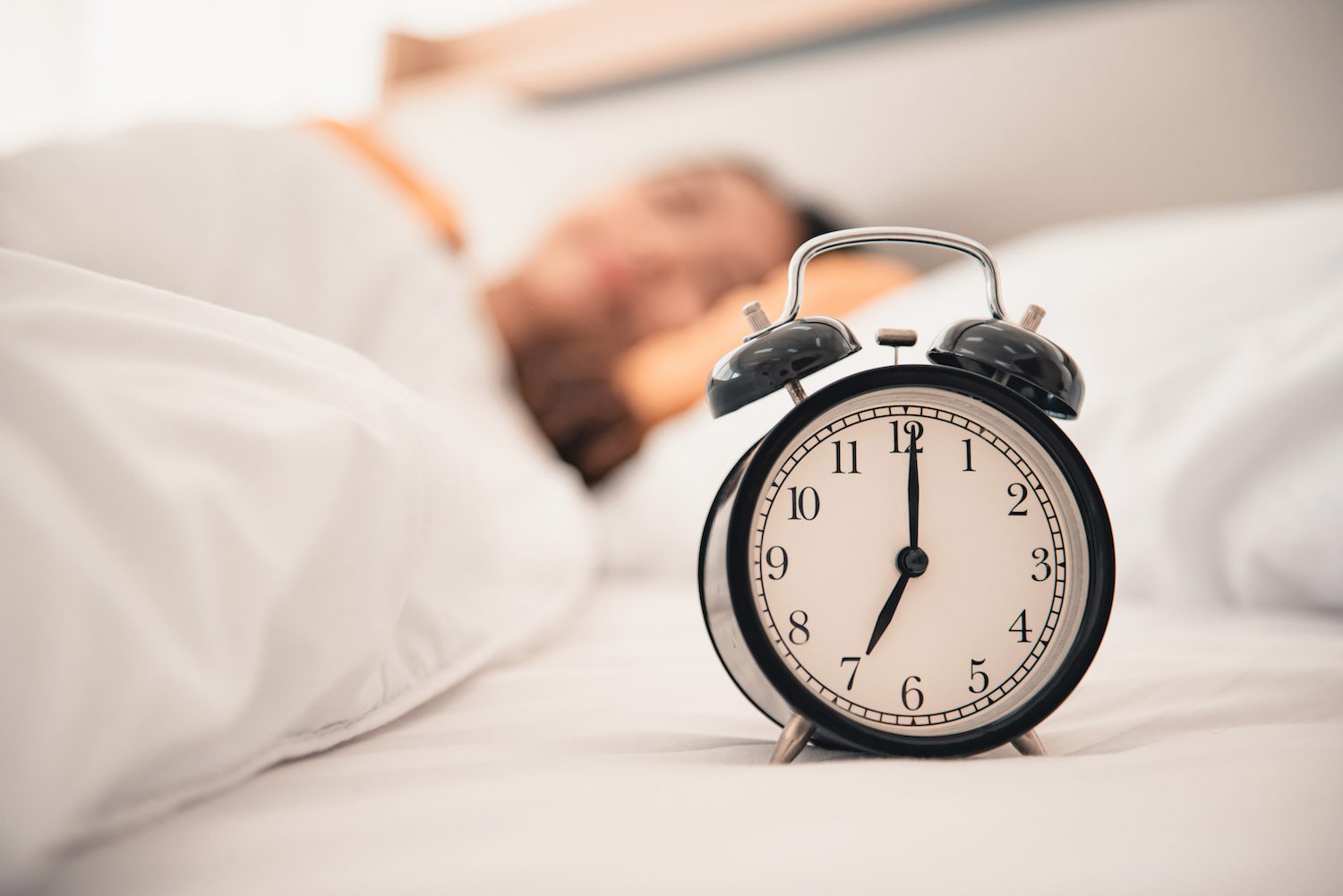
L'heure avancée (HA) entre en vigueur dans la plupart des provinces canadiennes en mars, lorsque les horloges sont avancées d'une heure. Des recherches ont examiné comment ce changement affecte la durée du sommeil et les rythmes circadiens. Les rythmes circadiens régulent le cycle veille-sommeil et sont principalement influencés par l'exposition à la lumière. Avancer l'horloge d'une heure au printemps peut temporairement désaligner le temps biologique interne avec l'heure de l'horloge externe.
Des recherches publiées dans des revues évaluées par des pairs, notamment Sleep Medicine Reviews et Journal of Clinical Sleep Medicine, ont montré que la transition à l'heure d'été est associée à :
- Une réduction à court terme de la durée du sommeil
- Un désalignement circadien temporaire
- Des changements mesurables dans le moment du sommeil dans les jours qui suivent immédiatement le changement
La plupart des études indiquent que le moment du sommeil se stabilise généralement en quelques jours.
Considérations pour les personnes utilisant un traitement CPAP
L'heure d'été ne modifie pas la pression délivrée ni la fonction de l'appareil. Cependant, des changements dans l'heure du coucher ou du réveil peuvent :
- Affecter la durée totale du sommeil
- Modifier temporairement la qualité perçue du sommeil
- Décaler le moment d'utilisation dans les rapports de thérapie
Le maintien d'une utilisation nocturne constante de la CPAP pendant les transitions horaires est conforme aux recommandations établies pour la gestion de l'AOS.
Recommandations d'hygiène du sommeil fondées sur des données probantes
L'Agence de la santé publique du Canada et la Société canadienne du sommeil recommandent les pratiques de sommeil suivantes, fondées sur des données probantes :
1. Maintenir des heures de sommeil et de réveil régulières
Maintenir un horaire de sommeil régulier aide à réguler le rythme circadien. Se coucher et se lever à peu près à la même heure chaque jour, y compris les week-ends, favorise une synchronisation du sommeil et une qualité de sommeil plus stables.
Des horaires irréguliers peuvent décaler l'horloge interne du corps, ce qui peut rendre plus difficile l'endormissement ou le réveil aux heures souhaitées. La constance devient particulièrement importante après les changements d'heure d'été, lorsque l'heure de l'horloge externe a changé.
2. Limiter l'apport en caféine en fin de journée
La caféine est un stimulant qui bloque les récepteurs d'adénosine dans le cerveau. L'adénosine favorise la somnolence, et interférer avec ce processus peut retarder l'endormissement.
Santé Canada note que la caféine peut rester dans le corps pendant plusieurs heures. Des recherches suggèrent que la consommation de caféine dans les six heures précédant le coucher peut réduire la durée totale du sommeil et retarder la capacité de s'endormir. Les individus varient en sensibilité, mais limiter l'apport en caféine plus tôt dans la journée peut réduire la perturbation du sommeil. Les sources de caféine comprennent le café, le thé, les boissons énergisantes, les boissons au cola et certains médicaments.
3. Réduire l'exposition à la lumière vive et aux écrans avant le coucher
L'exposition à la lumière influence la production de mélatonine. La mélatonine est une hormone qui aide à réguler le moment du sommeil. L'exposition à la lumière vive le soir, y compris la lumière des téléphones, tablettes, télévisions et ordinateurs, peut retarder la libération de mélatonine et décaler le rythme circadien plus tard.
Les directives canadiennes sur le sommeil recommandent de tamiser les lumières une heure avant le coucher et de réduire l'utilisation des écrans lorsque cela est possible. Si des écrans sont utilisés, la réduction de la luminosité ou l'utilisation de paramètres d'affichage nocturne peuvent réduire l'intensité lumineuse.
L'exposition à la lumière du matin, en revanche, favorise l'alignement circadien et peut aider à renforcer des heures de réveil cohérentes.
4. Maintenir l'environnement de sommeil sombre, calme et frais
Les conditions environnementales influencent la continuité et la profondeur du sommeil. Les recherches indiquent que :
- Une pièce sombre réduit les perturbations du sommeil liées à la lumière.
- Minimiser le bruit réduit les réveils.
- Une pièce fraîche et bien ventilée peut favoriser l'endormissement et le maintien du sommeil.
Pour les personnes utilisant un traitement CPAP, s'assurer que le masque est bien ajusté et que l'équipement fonctionne correctement favorise un traitement ininterrompu tout au long de la nuit.
5. Éviter les repas lourds et l'alcool avant le coucher
Les repas copieux ou lourds pris avant le coucher peuvent provoquer une gêne ou des symptômes gastro-intestinaux qui interfèrent avec le sommeil. Laisser le temps à la digestion avant de se coucher peut réduire les perturbations du sommeil.
L'alcool a des propriétés sédatives et peut initialement favoriser l'endormissement. Cependant, la recherche montre que l'alcool peut fragmenter le sommeil plus tard dans la nuit et réduire le sommeil paradoxal (REM). Cela peut entraîner un sommeil plus léger et moins réparateur et des réveils plus fréquents. Limiter la consommation d'alcool dans les heures précédant le coucher peut réduire ces effets.
Suivre les 5 pratiques ci-dessus avant l'heure d'été peut aider à une meilleure adaptation lors des changements d'heure saisonniers.
Le printemps comme rappel d'entretien pour l'équipement CPAP
Les changements d'heure saisonniers, comme le printemps, sont une occasion idéale d'inspecter et de remplacer les composants de votre CPAP. Avec le temps, même un équipement bien entretenu peut s'user, ce qui peut réduire ses performances ou sa sécurité. Lors de la vérification de votre équipement CPAP, vérifiez :
- Les coussins et les oreillers de masque : Recherchez les fissures, les fuites, les changements de forme, de couleur, d'odeur ou la perte de douceur qui peuvent compromettre l'étanchéité du masque.
- Le harnais : L'élasticité peut diminuer avec l'utilisation quotidienne, ce qui rend le masque lâche et réduit l'efficacité de la thérapie.
- Les filtres : Remplacez régulièrement les filtres jetables pour que l'air entrant dans vos poumons soit bien filtré.
- Le tuyau : Vérifiez les fissures, la décoloration ou l'accumulation de dépôts à l'intérieur du tuyau. Un tuyau sale peut augmenter le risque de contamination.
- Les chambres à eau de l'humidificateur : Recherchez la décoloration, l'accumulation de dépôts, les fissures ou les odeurs persistantes, et remplacez-les si nécessaire pour prévenir la croissance bactérienne ou fongique.
En plus de ces vérifications, assurez-vous que l'horloge de votre appareil CPAP reflète l'heure locale correcte. Une heure d'appareil précise contribue à un suivi fiable des données de thérapie, ce qui est utile pour surveiller l'utilisation, l'efficacité de la thérapie et partager les rapports avec votre spécialiste du sommeil si nécessaire. En effectuant ces inspections de routine pendant les transitions saisonnières, vous maintenez un traitement CPAP sûr et efficace toute l'année.
Résumé
Les recherches canadiennes et internationales indiquent que le passage à l'heure d'été au printemps peut temporairement réduire la durée du sommeil et perturber l'alignement circadien. Ces effets sont généralement de courte durée. Le maintien de routines de sommeil cohérentes, la poursuite du traitement CPAP prescrit et le respect des pratiques d'hygiène du sommeil fondées sur des données probantes favorisent la stabilité du sommeil pendant les changements d'heure saisonniers.
Le printemps est le moment idéal pour inspecter et rafraîchir votre équipement CPAP. Vérifiez les masques, les tuyaux, les filtres, etc. pour assurer une thérapie sûre et efficace. Si vous avez des questions sur votre calendrier de remplacement, envoyez-nous un courriel à shop@hellosleep.ca ou magasinez en ligne sur HelloSleep.ca.
Heure d'été et thérapie CPAP : Foire aux questions
Comment l'heure d'été affecte-t-elle le sommeil ?
L'avancement de l'horloge au printemps peut temporairement réduire la durée du sommeil et désaligner les rythmes circadiens, entraînant de légères perturbations du sommeil pendant quelques jours.
L'heure d'été affectera-t-elle les réglages de ma machine CPAP ?
Non. La pression délivrée par la CPAP et le fonctionnement de l'appareil ne sont pas affectés par l'heure d'été, mais les changements d'heure de coucher ou de réveil peuvent légèrement modifier les habitudes de sommeil et le moment d'utilisation de la thérapie.
Comment puis-je minimiser les perturbations du sommeil après l'heure d'été ?
Maintenez des heures de sommeil et de réveil cohérentes, limitez la caféine en fin de journée, réduisez l'exposition à la lumière le soir, gardez votre environnement de sommeil sombre, calme et frais, et évitez les repas lourds ou l'alcool près de l'heure du coucher.
Dois-je ajuster mon utilisation de la CPAP pendant l'heure d'été ?
Aucun ajustement de la thérapie n'est nécessaire. Continuez à utiliser votre CPAP chaque nuit pendant la durée recommandée pour maintenir un traitement efficace.
L'heure d'été peut-elle affecter mes rapports sur la qualité du sommeil ?
Oui. De légers changements dans l'heure du coucher ou du réveil peuvent temporairement influencer les mesures de qualité du sommeil ou les rapports de thérapie, mais ceux-ci se stabilisent généralement en quelques jours.
Le printemps est-il un bon moment pour vérifier mon équipement CPAP ?
Oui. Les transitions saisonnières sont un rappel idéal pour inspecter et remplacer les masques, les tuyaux, les filtres, le harnais et les composants de l'humidificateur afin d'assurer une thérapie sûre et efficace.
Comment entretenir mon équipement CPAP ?
Vérifiez les fissures, les fuites, la décoloration ou l'accumulation de dépôts sur les masques, les coussins, les tuyaux, les filtres et les chambres à eau. Remplacez les pièces si nécessaire et confirmez que votre appareil CPAP affiche l'heure locale correcte.


