

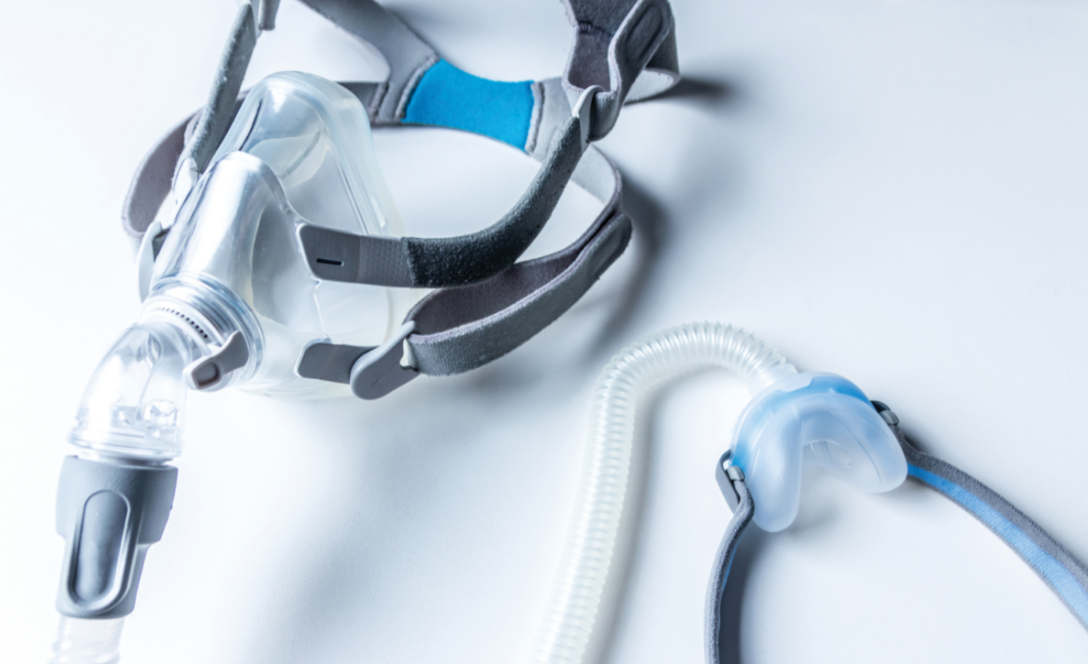
Votre système CPAP est composé de plusieurs pièces. Tout comme une voiture, le système fonctionne mieux avec un entretien approprié, ce qui implique le remplacement de certaines pièces de temps à autre. De nombreux patients souffrant d'apnée du sommeil ne réalisent peut-être pas l'importance de remplacer leurs fournitures CPAP pour assurer un ajustement confortable et approprié et une efficacité maximale. Lorsque votre système CPAP fonctionne au mieux, vous pourrez en constater la différence. En fait, 7 patients PAP sur 10 déclarent mieux dormir après avoir remplacé leurs fournitures. Et 1 sur 3 déclare dormir davantage après avoir remplacé ses fournitures.
Directives générales* sur le moment de remplacer les différentes fournitures CPAP :
Les coussins de masque nasal sont en contact constant avec votre visage et les oreillers nasaux sont placés à l'intérieur de votre nez toute la nuit. Un remplacement régulier tous les 90 jours est recommandé à des fins d'hygiène et pour assurer le meilleur ajustement.
Les coussins de masque facial complet couvrent une plus grande partie de votre visage et peuvent se détériorer avec le temps en raison de l'usure normale. Un remplacement régulier est recommandé tous les 90 jours à des fins d'hygiène et pour assurer le meilleur ajustement.
Les filtres à air des appareils CPAP peuvent s'user ou se boucher avec le temps, vous exposant potentiellement à des particules en suspension dans l'air, à des moisissures et à des bactéries. Remplacez vos filtres tous les 30 jours.
Les tubes de masque CPAP peuvent développer de petits trous ou des déchirures, ce qui peut provoquer des fuites d'air. Si votre tube fuit, il est possible que vous ne receviez pas le réglage thérapeutique prescrit par votre CPAP. Cela peut vous donner l'impression de ne pas dormir aussi bien. Remplacez votre tube tous les 6 mois.
Les harnais et mentonnières de masque CPAP peuvent s'étirer et perdre leur élasticité, entraînant un serrage excessif et un inconfort. Ils peuvent également retenir les bactéries de la sueur et de l'humidité. Remplacez votre harnais tous les six mois.
Les chambres à eau de l'humidificateur CPAP peuvent se décolorer, se fissurer, devenir troubles ou même se piquer en raison des niveaux de minéraux présents dans la plupart des eaux du robinet et potables. À mesure que le matériau se détériore, les fissures peuvent emprisonner les bactéries de l'humidité. Remplacez votre chambre à eau tous les six mois.
La durée de vie d'un appareil CPAP est généralement de 5 ans. Nous vous recommandons de vous procurer un appareil CPAP de rechange, surtout si votre appareil actuel a plus de deux ans. De cette façon, vous ne serez jamais sans votre traitement, même si l'un de vos appareils nécessite un entretien.
The ResMed AirSense 10 has been a trusted CPAP machine for many years, known for its durability, consistent performance, and simple interface. Like any CPAP setup, it relies on a set of replaceable supplies to keep therapy working properly night after night. At HelloSleep.ca, we help Canadians understand which AirSense 10 supplies matter most and how to keep them working at their best.
This guide explains the key AirSense 10 components, what they do, which parts need replacing, and how to stay ahead of common issues caused by worn supplies.
Why AirSense 10 Supplies Need Regular Replacement
Over time, CPAP supplies wear down from daily use, cleaning, and exposure to air and moisture. When these components begin to break down, users often notice changes in comfort and performance.
Common signs include:
Weaker airflow or inconsistent pressure
Increased machine or mask noise
Dryness despite using a humidifier
Visible wear, discoloration, or buildup
Many of these problems are not related to the machine itself, but rather to older supplies that need replacing.
AirSense 10 Filters
The AirSense 10 uses a rear-mounted air filter to prevent dust, allergens, and particles from entering the machine. This helps protect both the user’s air quality and the internal motor.
Two types are commonly used:
Standard filters
Hypoallergenic filters
Standard filters capture basic dust and debris, while hypoallergenic filters are designed to trap finer particles like pollen and smoke. For users with allergies or pets, hypoallergenic filters are often the preferred choice.
Replaceable: Yes. Find replacement AirSense 10 Filters here.
Filters are not reuseable and require regular replacement, especially in homes with dust, pets, or seasonal allergens. A clogged filter can restrict airflow and reduce overall machine efficiency.
AirSense 10 Tubing
The AirSense 10 connects to your mask through flexible air tubing, which delivers pressurized air during therapy. There are two main tubing options available:
SlimLine tubing
ClimateLineAir heated tubing
SlimLine tubing is smaller and lighter than traditional CPAP hoses, making it easier to manage during sleep. It’s ideal for users who want a simple, low-profile setup.
ClimateLineAir tubing includes built-in temperature control and works alongside the humidifier to regulate air warmth and prevent moisture buildup inside the hose.
When deciding between them:
Use SlimLine tubing if you prefer a lightweight option and do not experience dryness or condensation. Use ClimateLineAir tubing if you want consistent humidity, warmer airflow, and less risk of rainout.
Replaceable: Yes. Find replacement AirSense 10 Tubing here.
Tubing should be replaced if it becomes stiff, develops small cracks, or produces more noise than usual. Learn more in CPAP Supplies: Filters, Tubing, Water Tanks.
AirSense 10 Humidifier Chamber
Moisture plays an important role in CPAP comfort, and the AirSense 10 includes a built-in humidifier with a removable water chamber. There are two main versions available:
Standard chamber
Cleanable chamber
The standard version is designed for everyday use and is not meant to be opened. It is easy to refill but may show signs of wear or mineral buildup over time. The cleanable version can be taken apart for more thorough cleaning, making it a better option for users who want more control over maintenance or longer-lasting durability.
Replaceable: Yes. Find replacement AirSense 10 water chambers here.
If you notice cloudiness, scaling, leaks, or cracks, the chamber should be replaced. Proper water use can help extend its lifespan. For more, see Do I Have To Use Distilled Water With My CPAP Machine?
Mask Compatibility with AirSense 10
The AirSense 10 is compatible with most CPAP masks that use a standard 22 mm connection. This allows you to choose from a wide range of mask styles based on comfort rather than device limitations. Compatible mask types include:
Full face masks
Nasal masks
Nasal pillow masks
Choosing the right mask is critical for comfort and compliance. Start with A How‑To Guide: Choosing the Right CPAP Mask if you're unsure.
Power Supply and Connections
The AirSense 10 uses a dedicated power supply that converts standard electrical input into the correct output for the machine. Power cords and adapters are replaceable if damaged, lost, or worn out. It’s important to use the correct part designed for the AirSense 10 to avoid performance issues.
Some users also pair the device with compatible backup batteries for travel or emergency use. Read our blog CPAP Batteries Explained and learn the different ways it can be used.
Non Replaceable Components
Like most CPAP machines, the AirSense 10 has internal parts that cannot be replaced individually. These include the motor and internal electronics that control airflow and therapy settings. These components are designed to last several years, typically 3 to 5 years or longer with proper care. Maintaining your supplies helps reduce strain on these internal parts and extend the overall life of the device.
Tips for Maintaining AirSense 10 Supplies
Good maintenance habits can prevent many common CPAP issues and improve long-term comfort.
Replace filters regularly to maintain clean airflow
Check tubing for wear or buildup
Clean your water chamber frequently
Watch for changes in performance or comfort
For full maintenance details, see Cleaning and Caring for Your CPAP Equipment.
Summary
The AirSense 10 depends on a set of key supplies to deliver reliable CPAP therapy. Filters, tubing, and water chambers are all replaceable parts that wear out with regular use. By understanding how each component works and replacing them when needed, you can maintain consistent airflow, improve comfort, and extend the life of your machine.
AirSense 10 Supplies: Frequently Asked Questions
What supplies are needed for the AirSense 10?You will need filters, tubing, a water chamber, a CPAP mask, and a compatible power supply.
Can I use AirSense 11 parts on the AirSense 10?Some items like masks and basic standard or slimline tubing may work, but water chambers, filters, and heated tubing are specific to each model.
How often should supplies be replaced?Filters are replaced most frequently, followed by tubing and water chambers. Most users replace key parts at least every 3-6 months.
Do I need special masks for the AirSense 10?No. Most masks with a standard connection will work with the device.
What problems happen if supplies are not replaced?Worn supplies can cause leaks, airflow issues, increased noise, and reduced therapy effectiveness.